Where to Find Cheap Auto Insurance Quotes in Texas Cities: An Insider’s Guide


Learning where to find cheap auto insurance quotes in Texas cities requires looking past national brands to regional providers like Texas Farm Bureau or State Farm. The most effective way to lower premiums is by comparing quotes from at least three different carriers while leveraging hyper-local discounts that account for your specific zip code. Because Texas is a "fault" state with high minimum requirements, the cheapest path usually involves a mix of high-deductible plans and clean driving records.
- •Why Location Dictates Where to Find Cheap Auto Insurance Quotes in Texas Cities
- ◦The Regional Secret to Where to Find Cheap Auto Insurance Quotes in Texas Cities
- •The "Loyalty Penalty" Misconception
- •A Comparison of Texas City Profiles
- •Deep Dive into the Major Metro Areas
- •The Mechanics of a Texas Quote: What’s Under the Hood?
- •How to Effectively Shop Without Losing Your Mind
- •The Impact of the "Uninsured Motorist" Problem
- •Realistic Expectations for Different Age Groups
- •The Role of Vehicle Choice in the Lone Star State
- •Final Reflections on the Texas Insurance Market
- ◦Frequently Asked Questions
Finding affordable coverage in the Lone Star State can feel like a full-time job because of our unique weather patterns and massive highway systems. We’ve spent hours digging through the data to help you skip the frustration and get straight to the savings, providing a roadmap that accounts for everything from Houston floods to Dallas traffic. Our goal is to give you the "information gain" you won't find on a standard comparison site, looking at the structural reasons why one city might cost you double what another does.
Why Location Dictates Where to Find Cheap Auto Insurance Quotes in Texas Cities
When we look at the insurance landscape in Texas, it’s not just one big market; it’s a collection of mini-economies. If you’re living in a high-density area like Downtown Houston, your risk profile is fundamentally different from someone living in the outskirts of Abilene. Insurers use actuarial data to determine the likelihood of a claim in your specific neighborhood. This includes everything from the frequency of accidents at local intersections to the rate of vehicle theft in your zip code.
But it’s not just about crime and traffic. Texas has some of the most volatile weather in the country. In North Texas, hail damage is a massive driver of comprehensive insurance costs. In the Gulf Coast regions, the threat of hurricane-related flooding keeps premiums high. When we analyze cases like this, we see that companies often "weight" these risks differently. One company might be terrified of the hail risk in Tarrant County and price their quotes accordingly, while another might have a more diversified portfolio and offer a much lower rate.
The Regional Secret to Where to Find Cheap Auto Insurance Quotes in Texas Cities
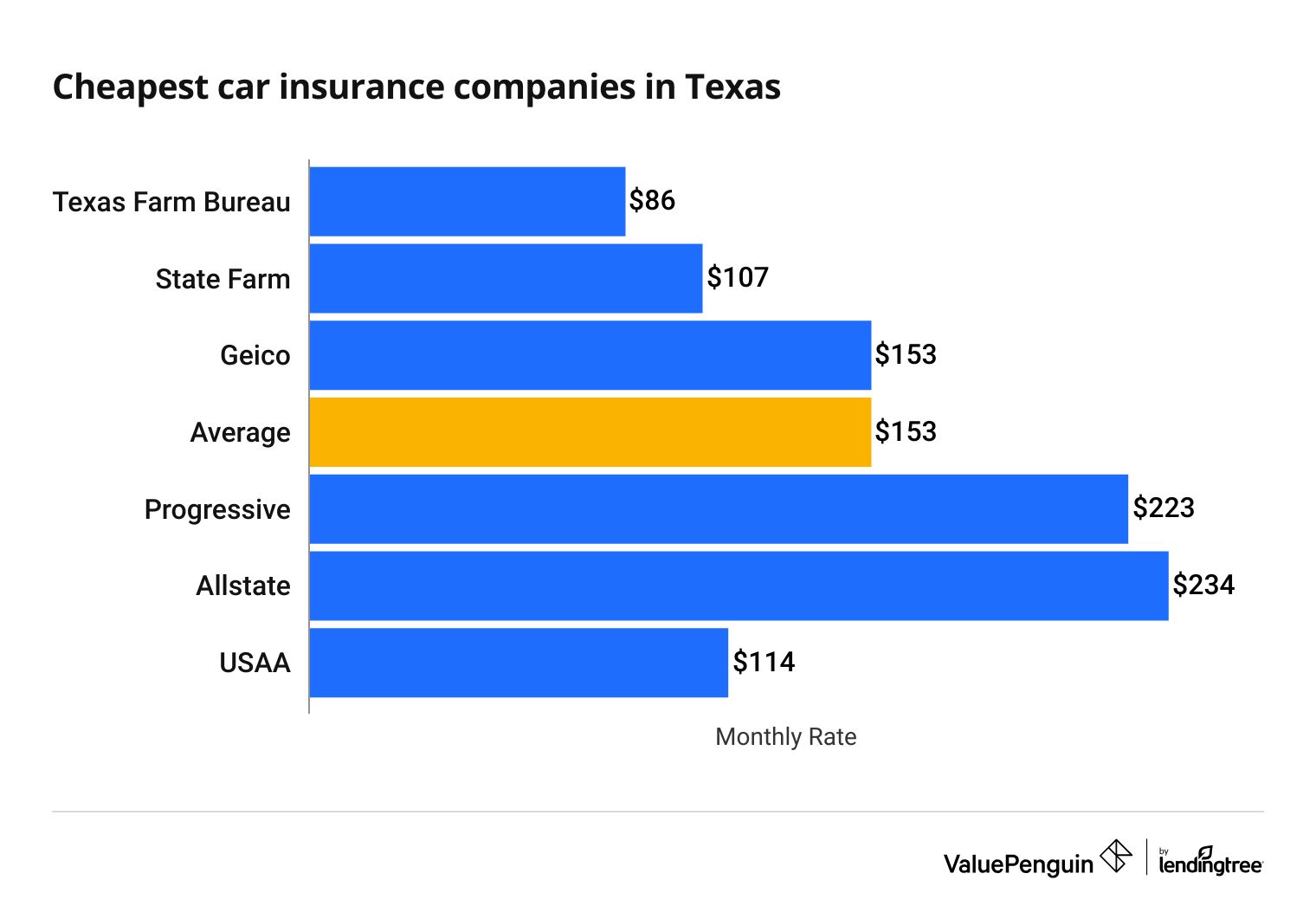
An overlooked detail our team often encounters is the power of the regional mutual insurance company. While the "Big Four" national carriers spend billions on catchy commercials, local entities like Texas Farm Bureau often quietly offer some of the most competitive rates in the state. Because these organizations are focused specifically on Texas drivers, their risk models are fine-tuned to our specific roads and driving habits.
To access these rates, you sometimes have to pay a small annual membership fee, but the savings on the premium usually dwarf that cost. This is why searching for find cheap auto coverage shouldn't just involve the household names you see on TV. We’ve found that local agents who represent multiple smaller carriers often have access to "hidden" rates that don't even show up on the major aggregator websites.
The "Loyalty Penalty" Misconception
There is a widespread myth that staying with the same insurance company for twenty years is the best way to get a deal. We’ve observed the exact opposite. In the industry, this is often referred to as "price optimization." Some insurers use algorithms to identify customers who are unlikely to shop around. If the data shows you haven't compared quotes in five years, they might incrementally raise your rates because they know you’ll probably just pay the bill.
This is the "aha" moment for many drivers: being a loyal customer can actually cost you more. The most successful way to find the lowest rates is to treat your insurance like a commodity. Every 12 to 18 months, or whenever a major life event happens (like moving, getting married, or buying a new car), you should be back in the market. This forces companies to compete for your business rather than taking it for granted.
A Comparison of Texas City Profiles
To give you a clearer picture of how these costs vary, we’ve put together a breakdown of how different urban environments in Texas influence the quotes you'll receive.
| City Environment | Primary Cost Driver | Best Strategy for Savings |
|---|---|---|
| High-Density (Houston) | Uninsured motorists & flooding | High UM/UIM limits with high deductibles |
| Commuter Hub (Dallas) | High-speed collision frequency | Telematics/Safe driver programs |
| College/Tech (Austin) | Property damage & theft | Bundle with renters insurance |
| Border/Transit (El Paso) | Theft & international transit | Specialized regional carriers |
| Suburban (Plano/Round Rock) | Hail & severe weather | Comprehensive coverage with glass buy-back |
Deep Dive into the Major Metro Areas
Each city in Texas has a "personality" when it comes to insurance. If you are finding the most affordable auto insurance quote in Dallas TX, you are fighting against some of the most congested highways in the nation. The I-35 corridor and the Dallas North Tollway are hotspots for high-speed accidents. Because of this, liability rates in Dallas tend to be higher than in more rural parts of the state. We recommend looking into telematics programs—those little apps or plug-in devices—if you live in DFW. If you aren't the one weaving through traffic, you can prove it to the insurer and shave 15-20% off your bill.
Down in the Bayou City, the challenges shift. When we look at how to get a reliable auto insurance quote in Houston TX, the conversation almost always turns to water. Flooding is a systemic risk here. If your car is parked in a flood-prone area, your comprehensive coverage is going to be the sticking point. However, Houston is also a massive market with tons of competition. Because there are so many agents, you can often find "niche" insurers that specialize in high-risk drivers or specific neighborhoods like Katy or The Woodlands.
Further west, the vibe changes again. Comparing local auto insurance quote options in El Paso TX reveals a market influenced by its proximity to the border and a different set of theft statistics. Interestingly, El Paso often enjoys lower rates than the "Texas Triangle" cities because the traffic density is slightly more manageable and the weather is generally more predictable (less hail, fewer hurricanes).
The Mechanics of a Texas Quote: What’s Under the Hood?
It helps to understand what the computer is actually doing when you hit "submit" on a quote form. In Texas, insurance companies use a combination of your credit-based insurance score, your driving history, and your "loss history" (previous claims). But there are a few Texas-specific quirks. For instance, Texas law allows insurers to use your credit score to help determine your rate, which is a point of contention for many. If your credit took a hit recently, you might find that your insurance quotes skyrocketed even if your driving record is spotless.
Another factor is the "Texas Minimum." The state requires 30/60/25 coverage ($30,000 for each injured person, up to a total of $60,000 per accident, and $25,000 for property damage). While this is the legal minimum, it’s often not the "cheapest" in the long run. If you cause an accident with a new Ford F-150—a very common sight on Texas roads—$25,000 won't even cover half the truck. We often suggest that drivers look at 50/100/50 limits. Surprisingly, the jump from the bare minimum to better coverage is often only a few dollars a month because it signals to the insurer that you are a "responsible" risk.
How to Effectively Shop Without Losing Your Mind
The process of finding a deal shouldn't be a weekend-long ordeal. We’ve found that a three-pronged approach works best. First, get a baseline quote from one of the massive national players. This gives you a "ceiling" price. Second, check with a regional player like Texas Farm Bureau or Germania Insurance. These companies often have a different appetite for risk than the national giants.
Third, and this is the step most people skip, talk to an independent agent. Unlike "captive" agents who only sell one brand (like State Farm or Allstate), independent agents can shop your profile across dozens of smaller companies you’ve probably never heard of. These smaller companies often don't have the marketing budget to reach you directly, so they pass those savings on through lower premiums.
The Impact of the "Uninsured Motorist" Problem
Texas has a significant issue with uninsured and underinsured motorists. Estimates often suggest that nearly 15-20% of drivers on our roads don't have active coverage. This affects where you find cheap quotes because it forces insurers to bake that risk into everyone’s premiums. You might see a "UM/UIM" (Uninsured/Underinsured Motorist) charge on your quote. While it's tempting to decline this to save money, we strongly advise against it in Texas cities. If an uninsured driver hits you in San Antonio, and you don't have this coverage, you’re left holding the bag for your medical bills and car repairs.
Realistic Expectations for Different Age Groups
If you’re a 22-year-old in Austin, your "cheap" quote is going to look very different from a 50-year-old’s "cheap" quote in Lubbock. We see a lot of frustration from younger drivers who feel they are being penalized just for their age. And honestly, they are. In the eyes of an insurance company, a lack of "years behind the wheel" equals a higher probability of a payout.
For the younger crowd, the best way to find a deal is to stay on a family policy as long as possible or to look for "Good Student" and "Distant Student" discounts. If you’re a student at UT Austin or Texas A&M and you leave your car at your parents' house in a different city, make sure your insurer knows. The zip code where the car is actually parked is what determines the rate, not necessarily where you are sleeping.
The Role of Vehicle Choice in the Lone Star State
We can’t talk about Texas without talking about trucks and SUVs. The vehicle you choose to drive has a massive impact on your quote. A heavy-duty pickup might be safer for you in a crash, but it can do a lot of damage to others, which raises your liability premium. Conversely, parts for high-end European imports are expensive to ship and repair in some parts of Texas, which drives up the comprehensive and collision costs.
If you are in the market for a new vehicle and want to keep your insurance low, look for cars with high safety ratings and low "theft appeal." In Texas, certain years of the Chevy Silverado and Ford F-150 are top targets for thieves, which can lead to surprisingly high comprehensive quotes even if you have a perfect driving record.
Final Reflections on the Texas Insurance Market
Finding the right price for your car insurance in Texas isn't about finding a magic "cheap" company that works for everyone. It’s about understanding that the market is a living, breathing thing that reacts to the world around it. When gas prices go up, people drive less, and sometimes rates stabilize. When a massive hailstorm hits North Dallas, every insurer in the area re-evaluates their math the following year.
The real "win" isn't just saving twenty dollars a month; it's finding a policy that actually protects you when things go sideways on the I-10 or the 610 Loop. By understanding the regional nuances—from the humidity of the coast to the dry heat of the panhandle—you can stop being a passive consumer and start being a savvy shopper who knows exactly what they’re paying for.
Frequently Asked Questions
Does my credit score really affect my auto insurance quote in Texas? Yes. Most insurers in Texas use a credit-based insurance score to help predict the likelihood of you filing a claim. Improving your credit can often lead to significantly lower insurance premiums over time.
Is it cheaper to get the state minimum coverage? Technically, yes, the premium will be lower. However, if you are in an accident, the state minimums in Texas are often insufficient to cover modern vehicle repairs and medical costs, which could leave you personally liable for thousands of dollars.
Why are quotes so much higher in Houston than in other cities? Houston faces a "triple threat" of risk: high traffic density, a high rate of uninsured motorists, and significant flood risk. These factors combine to make it one of the most expensive cities in the state for auto insurance.
Can I get a discount for taking a defensive driving course? Absolutely. Many Texas insurers offer a discount for completing a state-approved defensive driving course. This is also a common way to get a ticket dismissed, providing a double benefit for your insurance rates.
Post a Comment