The Expert Guide on How to Compare Auto Insurance Quotes Side by Side Effectively
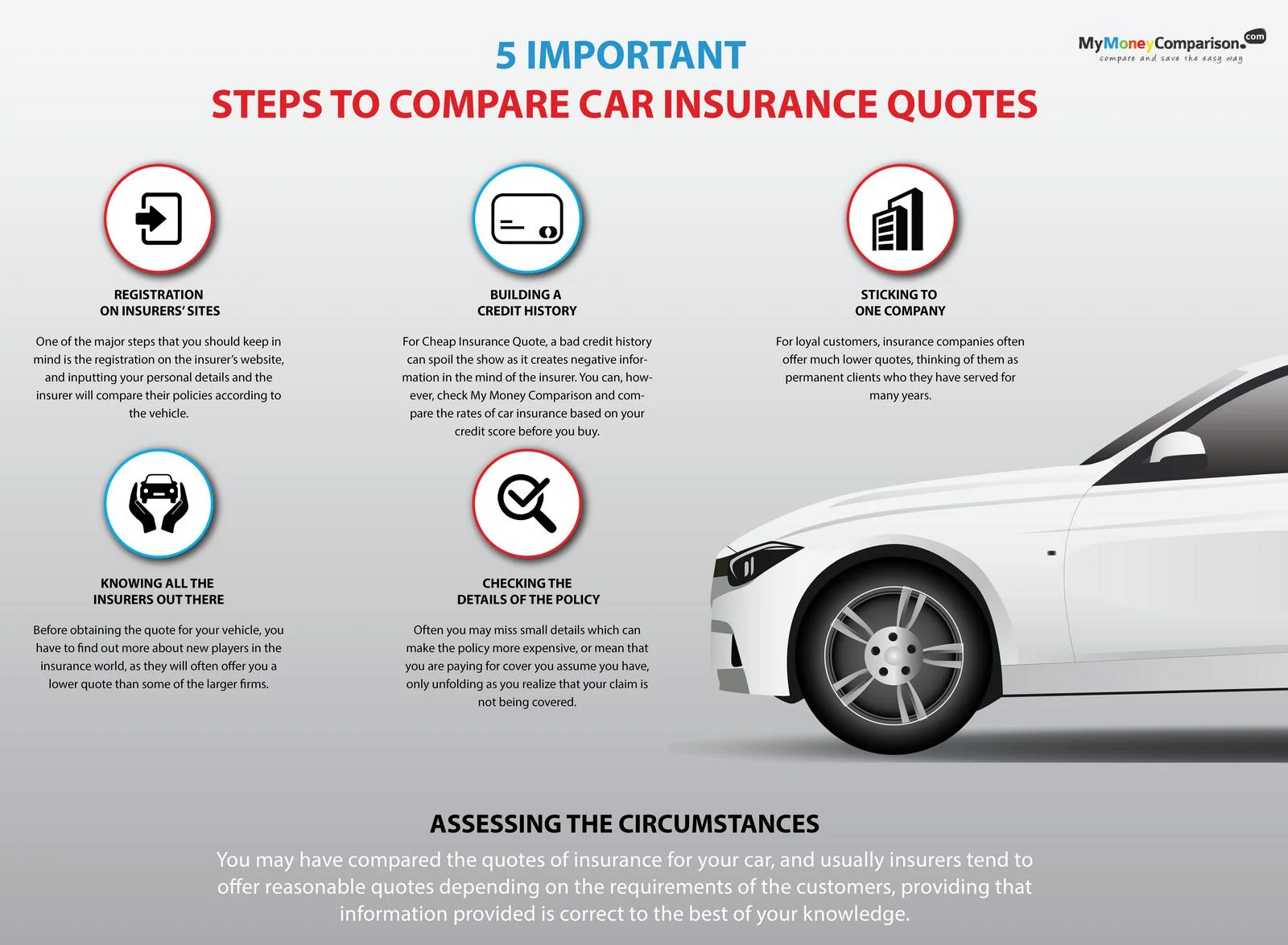
Learning how to compare auto insurance quotes side by side effectively requires aligning every variable—limits, deductibles, and riders—to ensure you are evaluating identical risk levels across different carriers. It is the process of stripping away marketing fluff to reveal the true cost of protection relative to the coverage provided.
- •The "Full Coverage" Myth and Other Industry Secrets
- •How to Compare Auto Insurance Quotes Side by Side Effectively
- •The Anatomy of a Quote Comparison
- •The Role of Technology and Tools
- •The Hidden Levers: Credit Scores and Telematics
- •Evaluating the Company Behind the Quote
- •The Final Review: Before You Hit "Purchase"
- ◦Frequently Asked Questions
Most of us treat insurance shopping like we’re buying a pair of sneakers, looking for the lowest price tag and hitting "buy." But our research shows that a cheaper monthly premium often conceals massive gaps in liability or underinsured motorist coverage that could bankrupt you after a single accident. We want to show you the added value of a systematic approach, moving beyond the surface-level numbers to find the sweet spot where price meets actual security.
The "Full Coverage" Myth and Other Industry Secrets
Before we get into the nitty-gritty of the spreadsheets, we have to address the elephant in the room. There is no such thing as "full coverage." You won't find it in any legal contract or state insurance manual. It’s a marketing term used to describe a policy that includes liability, collision, and comprehensive insurance. The danger here is that two "full coverage" quotes can look identical on the surface but offer vastly different levels of protection.
When we analyze cases like this, we often see drivers assuming they’re protected because they have "the works," only to find out their property damage liability is capped at a measly $10,000. In a world where the average new car costs over $45,000, that’s a recipe for a lawsuit. An overlooked detail our team often encounters is the "step-down" provision in some budget policies, which reduces your coverage to the state minimum if someone not listed on your policy is driving—even if they have your permission. These are the kinds of "gotchas" that a side-by-side comparison is designed to catch.
Another misunderstanding involves the "teaser rate." Many companies offer a massive discount for the first six months to get you in the door. If you don't look at the "renewal expectation" or the loss of "new customer" discounts in year two, your "cheap" insurance might become the most expensive one you've ever owned. We recommend looking at the long-term value rather than just the introductory price.
How to Compare Auto Insurance Quotes Side by Side Effectively
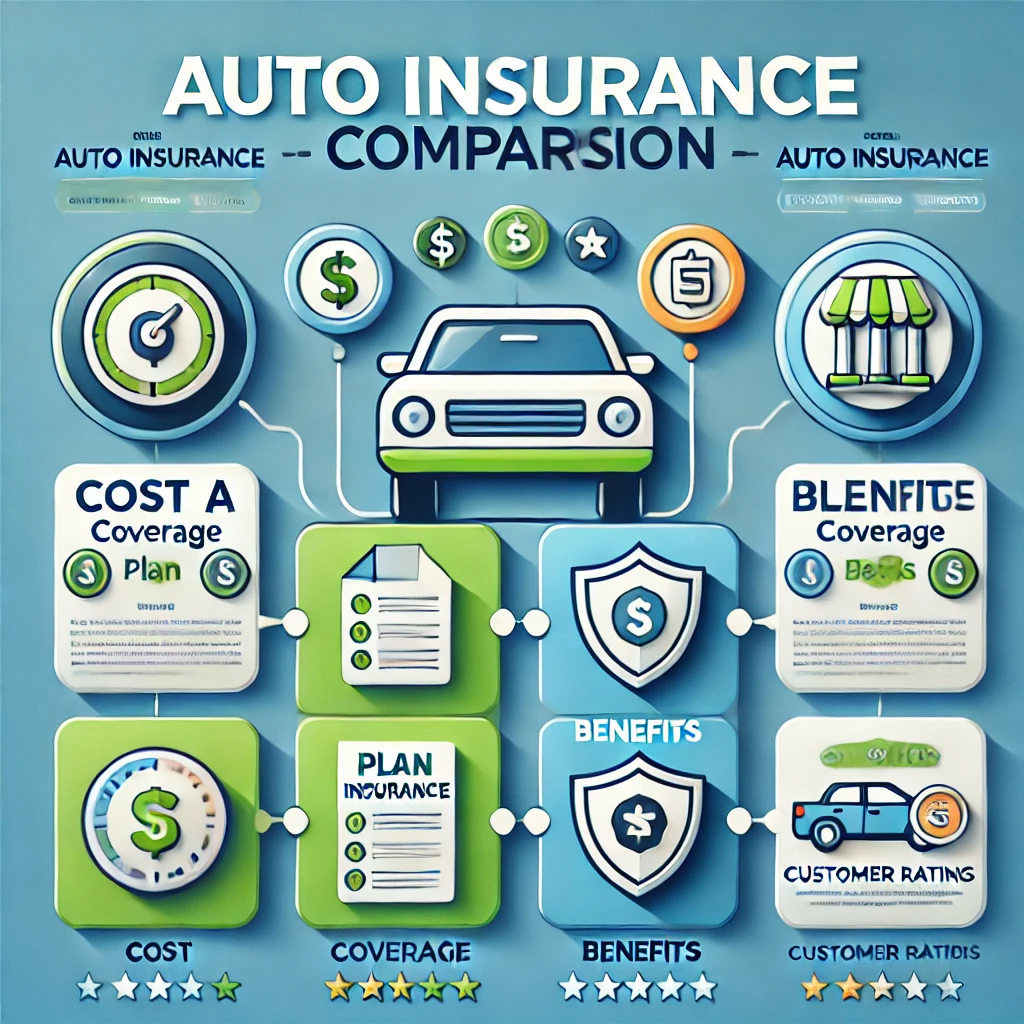 How to Compare Auto Insurance Quotes Side by Side Effectively
To truly master the art of comparison, you need to start with a control group. Think of yourself as a scientist. If you change three variables at once, you won’t know which one caused the price jump. We suggest using your current "Declarations Page" as your baseline. This is the one-page summary at the front of your policy that lists your exact limits and deductibles.
When you start looking at compare auto insurance options, keep these three pillars identical across every quote:
- Liability Limits: If one quote uses 50/100/50 and another uses 100/300/100, the comparison is useless. Always quote the higher amount first; the price difference is often surprisingly small.
- Deductibles: A $500 deductible will always be more expensive than a $1,000 deductible. Ensure every company is quoting the same out-of-pocket cost for both Collision and Comprehensive.
- Uninsured/Underinsured Motorist (UM/UIM): This is the most undervalued part of a policy. It protects you if someone else hits you and they don't have insurance. Don't let a company drop this just to make their quote look lower.
Once you have these locked in, you can start looking at the "soft" features. This includes things like accident forgiveness, vanishing deductibles, or original equipment manufacturer (OEM) parts coverage. These aren't just "extras"; they represent the quality of the claim experience you'll have later. If you want to speed up the data collection, how to get auto insurance quotes from multiple companies fast is a great way to gather the raw numbers before you start the deep-dive analysis.
The Anatomy of a Quote Comparison
To make this practical, we’ve broken down the core components you should be looking at. Use this table as a checklist when you have three or four quotes open on your screen.
| Policy Component | Standard Baseline | Why It Matters |
|---|---|---|
| Bodily Injury Liability | $100,000 / $300,000 | Protects your savings and home from lawsuits. |
| Property Damage | $100,000 | Covers expensive vehicles or multi-car accidents. |
| Collision Deductible | $500 | The amount you pay to fix your car after a crash. |
| Comprehensive | $500 | Covers theft, fire, hail, and animal strikes. |
| Medical Payments | $5,000 | Covers immediate medical bills regardless of fault. |
Finding Your Baseline: How to Compare Auto Insurance Quotes Side by Side Effectively
Based on our observations, the biggest mistake people make is not accounting for the "rating symbols" of their specific vehicle. Every insurance company views your car's risk differently. One might see a Subaru Outback as a safe family wagon and give it a low-risk rating, while another might focus on the high cost of replacing its EyeSight driver-assist sensors and charge more.
When you are a complete guide on how to compare auto insurance quotes, you’ll notice that some carriers are more "friendly" to certain zip codes or professions. This is because insurance is essentially a giant pool of shared risk. If a company has had a bad year with claims in your specific city, they will raise rates for everyone there to balance the books. This has nothing to do with your driving record and everything to do with their internal math. This is why shopping around every 12 to 18 months is so vital—the "math" at Company A might have changed while Company B is looking to grow its market share in your area.
The Role of Technology and Tools
We live in an era where you don't have to do all this with a pencil and paper. There are sophisticated platforms designed to do the heavy lifting for you. However, you have to be careful about which ones you trust. Some sites are just "lead generators" that sell your phone number to twenty different agents who will call you during dinner.
Others are true comparison engines that pull real-time data. We've found that finding the best auto insurance quote comparison tool online involves looking for sites that provide "bindable" quotes—meaning the price you see is the price you actually get, provided your data is accurate. If a site asks for very little information, the quote is likely a "ballpark" estimate that will skyrocket once they actually run your motor vehicle record (MVR) and credit-based insurance score.
The Hidden Levers: Credit Scores and Telematics
 how to compare auto - Evaluating the Company Behind the Quote
One detail that often surprises the people we talk to is how much their credit score affects their premium. In almost every state (except for California, Hawaii, and Massachusetts), insurers use a "credit-based insurance score" to predict how likely you are to file a claim. If you're comparing quotes and one is $500 higher than the others, it might be that the specific carrier weighs credit history more heavily than their competitors.
Then there’s the "Black Box" factor—telematics. Many companies now offer a significant discount if you agree to let them track your driving via a smartphone app or a plug-in device. When you're looking at compare auto insurance options like USAA vs. GEICO, check if the "low" price they're quoting assumes a 10% or 20% telematics discount. If you're a "spirited" driver or someone who spends a lot of time on the road at 2:00 AM, you might not actually earn that discount, and your rate could go up after the monitoring period.
Evaluating the Company Behind the Quote
A side-by-side comparison shouldn't just be about the numbers on the page; it should be about the company's ability to pay out when things go wrong. We always suggest checking the AM Best financial strength rating of any insurer you're considering. A "cheap" policy from a company with a "B" rating might not be a bargain if they lack the liquidity to handle a major catastrophe like a hurricane or a massive wildfire.
Similarly, look at the J.D. Power claims satisfaction scores. A company might be $10 cheaper per month, but if their claims process involves a three-hour wait on hold and a fight over every repair estimate, that $120 a year you saved will feel like a very poor investment. We believe that the "best" quote is the one that balances a fair price with a reputation for hassle-free service. It’s about buying peace of mind, not just a piece of paper to keep in your glove box.
The Final Review: Before You Hit "Purchase"
Once you’ve narrowed it down to two or three finalists, it’s time for the "Verification Phase." This is where you call an agent or go through the final online checkout to ensure all the data is 100% accurate. Sometimes, a quote changes at the very last second because of a "CLUE report" (Comprehensive Loss Underwriting Exchange). This report shows every claim you’ve made in the last seven years, even if it was just a $200 glass repair that didn't result in a payout.
Check for these final details:
- Payment Plans: Does the "low" price require you to pay the full six months upfront? If you pay monthly, is there a $5 "convenience fee" that eats up your savings?
- Policy Fees: Some smaller carriers charge a one-time "initiation fee" or "agency fee" that isn't always clear in the initial comparison.
- Excluded Drivers: Ensure that everyone in your household is either listed or properly excluded. Leaving a teen driver off a quote to save money is a recipe for a denied claim later.
Because insurance is such a personal product, the "best" company for your neighbor might be the worst one for you. Your age, your car's safety features, your commute distance, and even your marital status all swirl together in an algorithm that is unique to each insurer. By taking the time to align your coverage limits and look at the fine print, you're not just shopping; you're building a financial safety net that actually works when you need it.
It’s easy to get overwhelmed by the jargon and the constant barrage of commercials promising to save you "15% or more." But when you approach it with a researcher's mindset—focusing on identical coverage levels and investigating the company's reputation—the noise fades away. You’re left with a clear, logical choice. And that feeling of knowing exactly what you're paying for? That’s worth more than any discount code.
Frequently Asked Questions
What is the most important factor in a side-by-side comparison? The most important factor is ensuring the liability limits and deductibles are identical. Without this "apples-to-apples" alignment, the price difference is meaningless because you are comparing two different levels of financial risk.
Can I compare quotes without giving my Social Security number? You can get "ballpark" estimates, but for an accurate, bindable quote, most insurers will eventually need your SSN to run your credit-based insurance score and driving history. Without it, the final price will almost certainly change once you try to buy the policy.
Should I always choose the quote with the lowest premium? Not necessarily. A lower premium often comes at the cost of higher deductibles or lower coverage limits. You should also consider the insurer's financial stability and their track record for handling claims fairly and quickly.
How often should I perform a side-by-side comparison? We recommend shopping around every 12 months or whenever you have a major life event, such as moving, getting married, buying a new car, or seeing a significant improvement in your credit score.
Post a Comment