The Ultimate Auto Insurance Quotes Florida Comparison Guide for Drivers

This Auto Insurance Quotes Florida Comparison Guide for Drivers provides the essential framework for navigating the state’s high-cost "no-fault" insurance market. At its core, comparing quotes means evaluating Personal Injury Protection and Property Damage Liability across multiple carriers to find the most competitive rate for your risk profile. It is a necessary audit for any resident looking to avoid the "sunshine tax" often applied to Florida premiums.
- •The Unique Mechanics of Florida's "No-Fault" System
- •Using our Auto Insurance Quotes Florida Comparison Guide for Drivers to Beat the Averages
- •The Misconception: Does "No-Fault" Mean You Can't Be Sued?
- •Breaking Down the Florida Coverage Options
- •Regional Variables: Why Your Zip Code Changes Everything
- •The "Hidden" Discounts You Should Be Looking For
- •The Impact of Recent Legal Reforms
- •Navigating the Uninsured Motorist Paradox
- •Reflecting on the Road Ahead
- ◦Frequently Asked Questions
Florida’s driving environment is distinct, often leading to sticker shock for new and long-term residents alike. We’ve done the heavy lifting to explain how local variables—from hurricane risks to high litigation rates—affect your bottom line, ensuring you get the best value possible without sacrificing essential legal protections.
The Unique Mechanics of Florida's "No-Fault" System
When we look at why Florida consistently ranks as one of the most expensive states for car insurance, we have to start with the "no-fault" concept. In many other states, if someone hits you, their insurance pays for your medical bills. In Florida, your own insurance—specifically your Personal Injury Protection (PIP) coverage—is the primary payer for your injuries, regardless of who caused the accident.
This system was originally designed to keep small claims out of the court system and ensure people got medical treatment quickly. However, over the decades, it has become a magnet for fraud and high-cost litigation. Because every driver is required to carry $10,000 in PIP, insurance companies bake those expected payouts into every quote they issue. When you are looking for auto insurance quotes, the PIP portion of your bill is often a significant chunk of the total.
Another quirk our team often observes is the 14-day rule. Under Florida law, you must seek medical treatment within 14 days of an accident to use your PIP benefits. If you don't, you lose that coverage. This nuance is why insurance companies are so aggressive with their pricing in the state; they are managing a high volume of mandatory medical claims that are often subject to strict legal timelines.
Using our Auto Insurance Quotes Florida Comparison Guide for Drivers to Beat the Averages
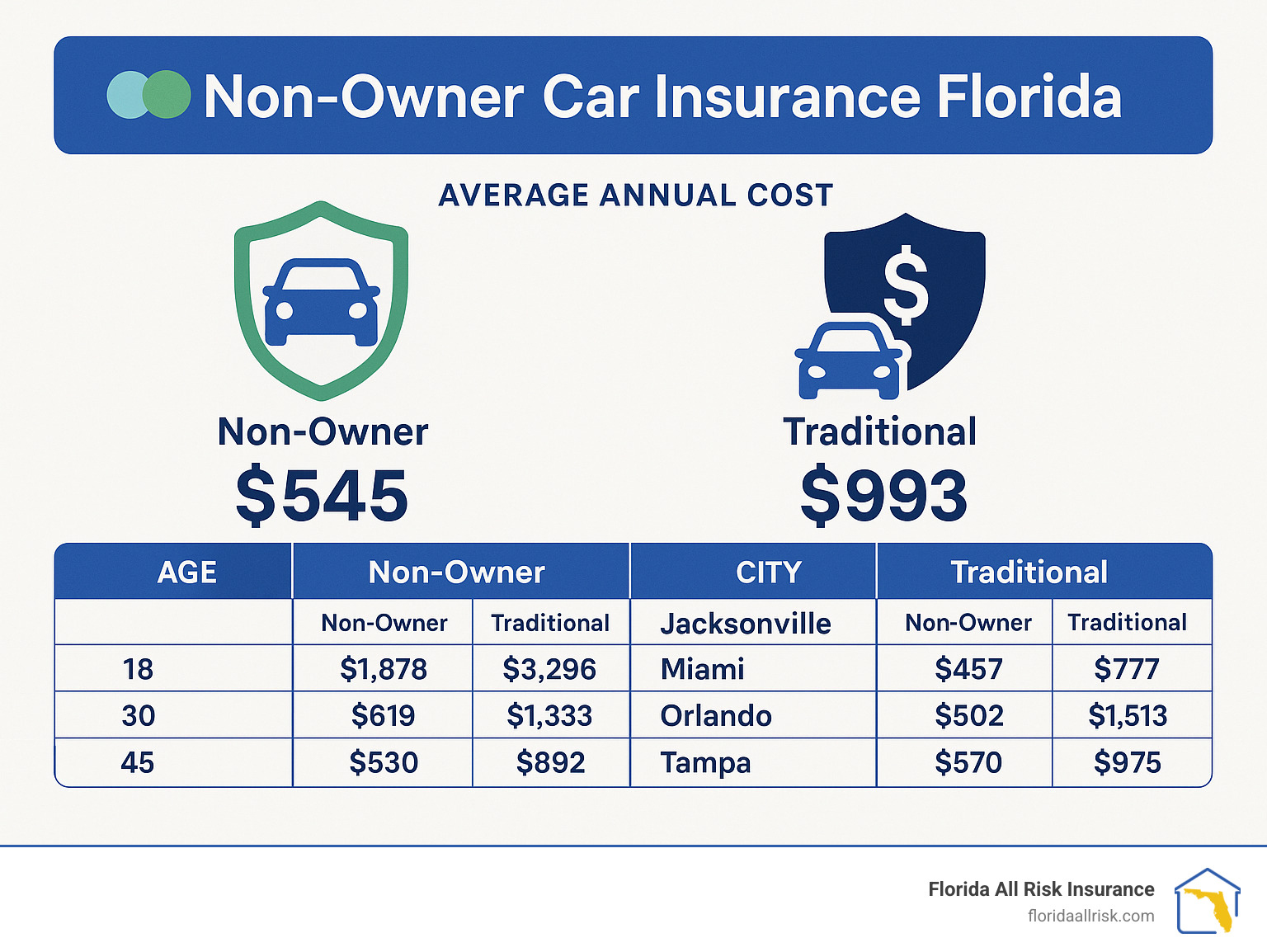
The average cost of insurance in Florida is significantly higher than the national average, but that doesn't mean you have to settle for the first number a website spits out. The trick to finding a deal is understanding that every insurance company uses a different "black box" algorithm to determine your risk. One company might penalize you heavily for living in a flood zone, while another might be more concerned with your daily commute on the Palmetto Expressway.
We recommend looking at quotes through the lens of your specific lifestyle. For instance, drivers in college towns often find different rates than those in retirement communities. If you are a student, looking for auto insurance quotes in Gainesville might reveal discounts for good grades or low annual mileage that wouldn't apply in a high-traffic hub like Miami.
To get an accurate comparison, you need to bring the same "ingredients" to every quote request. This includes your VIN, your driving record for the last three to five years, and the specific limits you want for Bodily Injury Liability (BI). While Florida doesn't technically require BI for most drivers, carrying it is the only way to protect your assets if you are sued—and in Florida, you are more likely to be sued than in almost any other state.
The Misconception: Does "No-Fault" Mean You Can't Be Sued?
This is the single biggest knowledge gap we encounter when talking to Florida drivers. The term "no-fault" leads many to believe they are shielded from liability. That is a dangerous myth. In reality, Florida has a "tort threshold." If an accident results in permanent injury, significant scarring, or death, the "no-fault" protections vanish. The injured party can—and likely will—sue you for everything you're worth.
Because Florida only mandates $10,000 in Property Damage Liability (PDL) and $10,000 in PIP, many drivers think they are "fully insured" with just those two. They aren't. They are "legally insured," which is a very different thing. If you cause a multi-car pileup or hit a high-end luxury vehicle (of which there are many in places like Naples or Palm Beach), that $10,000 in PDL will be gone in the blink of an eye. The "aha moment" for most drivers comes when they realize that the state minimums are designed to protect the system, not the individual driver's bank account.
How an Auto Insurance Quotes Florida Comparison Guide for Drivers Spots Hidden Fees
When you compare quotes side-by-side, you'll notice that some companies include "Uninsured Motorist" (UM) coverage by default, while others leave it out to make their price look lower. In Florida, this is a massive detail. Roughly 20% of drivers on Florida roads are uninsured. If one of them hits you and you don't have UM coverage, you might be stuck paying for your own long-term recovery and car repairs out of pocket.
A good comparison guide helps you spot these omissions. We often see "budget" insurers strip away UM or Comprehensive coverage (which covers theft and flood) to win the "lowest price" battle. But in a state where a afternoon thunderstorm can turn into a flood and car theft is a persistent issue in metro areas, those "savings" can cost you thousands later.
Breaking Down the Florida Coverage Options
To make sense of the quotes you receive, it helps to see how the different pieces of the puzzle fit together. Florida's requirements are minimal, but the risks are high.
| Coverage Type | Florida Requirement | What It Actually Does |
|---|---|---|
| Personal Injury Protection (PIP) | $10,000 (Mandatory) | Covers 80% of your medical bills regardless of fault. |
| Property Damage Liability (PDL) | $10,000 (Mandatory) | Pays for damage you cause to someone else's property. |
| Bodily Injury Liability (BI) | Not Required | Protects you if you are sued for injuring someone else. |
| Uninsured Motorist (UM) | Optional | Covers you if an uninsured driver hits you. |
| Comprehensive | Optional | Covers flood, fire, theft, and hurricane damage. |
Note: Bodily Injury is required for drivers who have been in serious accidents or have certain convictions (SR-22/FR-44).
Regional Variables: Why Your Zip Code Changes Everything
Based on our observations, moving just ten miles can swing your insurance premium by hundreds of dollars. Florida is a patchwork of risk zones. In South Florida—specifically Miami-Dade and Broward counties—rates are astronomically high due to a combination of high traffic density, high rates of staged-accident fraud, and a litigious culture.
Conversely, if you move toward the center of the state or the Panhandle, the "litigation tax" tends to drop. But there’s a catch: these areas often face higher risks from falling trees and wind damage during hurricane season. Insurance companies use actuarial maps that are incredibly granular. They know which neighborhoods are prone to street flooding and which ones have higher rates of vehicle break-ins.
When you are using a comparison guide, don't be surprised if your quote changes the moment you enter a new zip code. It’s not a mistake; it’s a reflection of the specific risks that the insurer expects to encounter in your driveway. We’ve seen cases where moving across a county line saved a driver 15% on their annual premium without changing a single coverage limit.
The "Hidden" Discounts You Should Be Looking For
Most people know about the "safe driver" discount, but Florida has some specific ways to save that aren't always advertised. For example, many insurers offer a discount if you have "hurricane-proof" features in the garage where you store your car, or if you live in a gated community with 24-hour security.
Another overlooked detail our team often encounters is the "paperless" and "pay-in-full" discount. Because Florida premiums are so high, the interest or "installment fees" charged by insurance companies can add up to an extra $100 or $200 a year. By paying the full six-month or annual premium upfront, you effectively give yourself a 5-10% discount.
And then there's the telematics option. Many major carriers now offer apps that track your driving habits. In a state like Florida, where aggressive driving is a major cause of accidents, proving to your insurer that you are the exception to the rule can lead to substantial savings. If you aren't a midnight-to-4 AM driver and you don't slam on your brakes at every yellow light, these programs are often worth the privacy trade-off.
The Impact of Recent Legal Reforms
It’s worth noting that Florida’s insurance landscape is currently in a state of flux. In early 2023, the state legislature passed HB 837, which significantly changed how lawsuits against insurance companies work. The goal was to reduce the number of frivolous lawsuits that were driving up everyone's premiums.
While we haven't seen rates plummet yet, the "underlying mechanism" of the market is shifting. Insurance companies are becoming slightly more willing to write policies in Florida again, which increases competition. More competition usually means better quotes for you. When you compare quotes today, you are seeing a market that is trying to stabilize after years of chaos. This makes it even more important to shop around every six months, as companies adjust their pricing to reflect these new legal realities.
Navigating the Uninsured Motorist Paradox
We often get asked if Uninsured Motorist (UM) coverage is really necessary. Think of it this way: Florida is a "tourist state." We have millions of people driving on our roads who don't live here, some of whom may not have valid insurance or may have policies that don't meet Florida's standards. Add to that the high cost of living, which unfortunately pushes some residents to let their insurance lapse.
If you are involved in a hit-and-run—which is sadly common in high-traffic areas like Orlando or Jacksonville—UM coverage is often the only way to get your car fixed and your medical bills paid beyond the small $10,000 PIP limit. It feels like an unfair "tax" on responsible drivers, but in the context of Florida's demographics, it’s one of the most valuable additions to any policy.
Reflecting on the Road Ahead
Finding the right balance in a Florida insurance policy is a bit like preparing for a storm: you hope you never need the heavy-duty shutters, but you’ll be glad you have them when the wind starts howling. The "Sunshine State" offers a beautiful lifestyle, but the cost of protecting your mobility here is undeniably high.
By using a structured approach to compare quotes, you aren't just looking for the smallest number; you are looking for the most robust safety net you can afford. The market will continue to evolve as climate patterns shift and legal reforms take hold, but the fundamental truth remains: the most informed driver always pays the least for the best protection.
Frequently Asked Questions
Why is my Florida car insurance so much higher than in other states? It’s a combination of the mandatory "no-fault" PIP coverage, high rates of uninsured drivers, frequent weather-related claims, and a high volume of litigation. Florida is simply a high-risk environment for insurers.
Can I get away with just the state minimums? Legally, yes. Financially, it’s a gamble. The $10,000 minimums for PIP and PDL are often exhausted in a single moderate accident, leaving you personally liable for any costs above that amount.
Does Florida insurance cover flood damage? Only if you have "Comprehensive" coverage. Standard liability and PIP do not cover damage to your vehicle caused by rising water or storm surges.
How often should I compare Florida auto insurance quotes? We recommend checking every six months or at least once a year. Because the Florida market is so volatile and legislative changes are ongoing, the company that was cheapest last year might not be the most competitive today.
Post a Comment