Decoding Common Auto Insurance Policy Number Formats by State
When we look at our insurance cards, that string of digits and letters might seem like a random jumble, but it is actually a highly structured identifier. Common Auto Insurance Policy Number Formats by State are primarily determined by the insurance carrier rather than the state government, typically consisting of 7 to 13 alphanumeric characters that serve as a unique fingerprint for your coverage. While states do not mandate specific formats, they do require these numbers to be clearly displayed on ID cards and filed within state-monitored databases to ensure every driver can be verified during a traffic stop or after an accident.
- •Decoding the Logic Behind Common Auto Insurance Policy Number Formats by State
- ◦Why Your State Influences Common Auto Insurance Policy Number Formats by State
- •The Anatomy of a Policy Number: More Than Just Random Digits
- •The Great Misconception: Who Actually "Owns" the Format?
- •Comparing Major Carrier Formats and Structures
- •The Evolution of Digital ID Cards and Standardized Reporting
- •Why Knowing Your Format Matters for Claims and Law Enforcement
- ◦Frequently Asked Questions
- •Final Thoughts: The DNA of Your Protection
As we spent time analyzing thousands of policy documents, we realized that understanding these formats is about more than just satisfying curiosity; it is a vital skill for managing your financial protection. Whether you are switching carriers or trying to navigate a claims process, knowing how to parse this information can save you hours of frustration. In this guide, we’re going to break down the hidden logic used by major insurers, explain how regional regulations subtly shape these identifiers, and provide the clarity you need to master understanding your auto insurance policy declaration page details without feeling overwhelmed.
Decoding the Logic Behind Common Auto Insurance Policy Number Formats by State
It is a common sight: you’re at the DMV or filling out a rental car agreement, and you’re asked for your policy number. You pull out your phone or open your glove box, and there it is—a string of characters that looks like a secret code. Based on our observations, these formats aren't just arbitrary; they are designed to communicate a wealth of information to the insurance company's internal systems in a split second. Most major carriers use a mix of "Line of Business" codes, state identifiers, and unique customer sequences.
For example, a policy might start with a two-letter prefix like "PA" or "PPA," which stands for Private Passenger Auto. This helps the insurer immediately distinguish your car insurance from a homeowners or life insurance policy. Following this, you might see a two-digit number that represents the state where the policy was issued. If you live in California, you might see "04" or "CA" embedded somewhere in the string. This is a primary reason why we talk about formats "by state"—the carrier needs to know which state’s specific laws and minimum requirements apply to that specific contract.
But the complexity doesn't stop there. An overlooked detail our team often encounters is the "term suffix." If you look at the very end of your policy number, you might see a dash followed by two digits, like "-01" or "-05." This usually indicates how many times the policy has been renewed. If you see "-01," it’s likely your first term with that carrier. If it’s "-10," you’ve been a loyal customer for five years (assuming six-month terms). This structural logic ensures that even if your base policy number stays the same for a decade, the specific version of the contract is always identifiable.
Why Your State Influences Common Auto Insurance Policy Number Formats by State
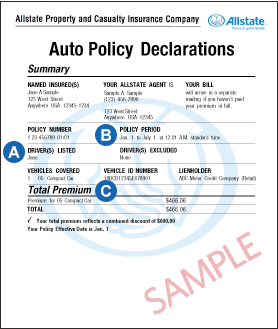
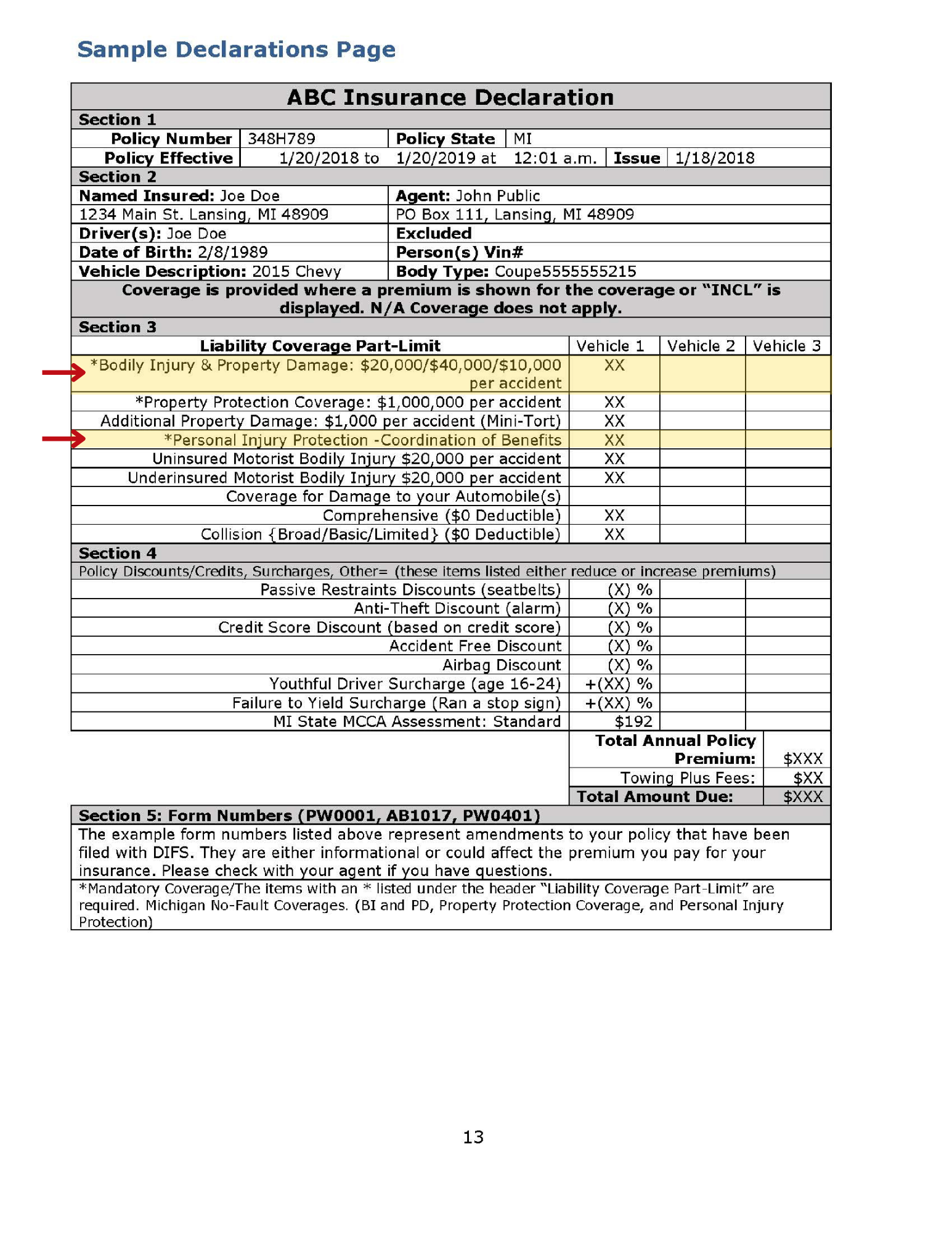
While the carrier builds the number, the state acts as the architect’s consultant. Every state has its own Department of Insurance, and these bodies have strict rules about how common auto insurance information is reported to law enforcement and DMV databases. In states with "real-time" verification systems, like Nevada or New York, the policy number format must be consistent enough for the state’s computers to recognize it instantly. If a carrier changes their numbering system, they often have to notify the state to ensure there are no gaps in coverage verification.
Some states have unique requirements for how "binders" (temporary proof of insurance) are numbered versus permanent policies. In our research, we’ve found that in states like Florida, where personal injury protection (PIP) is a major factor, policy numbers might include specific markers that denote the type of state-mandated coverage included. This ensures that if you’re involved in a "no-fault" incident, the responding parties know exactly which set of rules your policy follows. It's a fascinating example of how local law and corporate data management intersect.
The Anatomy of a Policy Number: More Than Just Random Digits
When we analyze cases of policy confusion, the root cause is usually a misunderstanding of the number's anatomy. Think of the policy number as a sentence. The first few characters are the "subject" (who and what), the middle is the "object" (the specific account), and the end is the "modifier" (the version or year).
Most common auto insurance providers follow a pattern similar to this:
- Prefix (2-3 Characters): Identifies the type of insurance (Auto, Home, Umbrella).
- State/Regional Code (2 Characters): Identifies the legal jurisdiction of the policy.
- Core Account Number (6-8 Digits): The unique identifier for you as a customer.
- Suffix (1-2 Digits): The renewal or version number.
This structure is why you can’t just guess a policy number. It’s also why, when you move to a new state, your insurance company will almost always issue you a brand-new policy number. Even if you stay with the same company, the "State Code" portion of the number must change to reflect the new legal environment. If you’re curious about how this fits into the broader picture of your coverage, you might want to read a complete guide on how auto insurance policies work to see how these identifiers link to your premiums and limits.
The Great Misconception: Who Actually "Owns" the Format?
A widespread myth we often encounter is the belief that the Department of Motor Vehicles (DMV) or the state government assigns your policy number. We’ve spoken with many drivers who were frustrated because they couldn't "find their state-issued insurance ID." Here is the 'aha' moment: The state has almost zero input on the actual digits used in your policy number.
The format is entirely a product of the insurance company's internal software and legacy systems. This is why a GEICO policy number in Texas looks completely different from a State Farm policy number in the same city. The state only cares that the number is unique and verifiable. If you are trying to find yours without a card handy, you can learn how to perform an auto insurance policy number lookup free through your carrier’s portal or your state’s verification system, but remember—you are looking for a carrier-generated string, not a government one.
Comparing Major Carrier Formats and Structures
To make this practical, we’ve compiled a breakdown of how some of the largest insurers typically structure their identification numbers. Note that these can vary if a company has recently merged or updated its software, but these patterns remain the most common in our experience.
| Insurance Carrier | Typical Character Count | Common Format Style | Key Identifier Location |
|---|---|---|---|
| State Farm | 9 Digits | 123 4567-A01-12 | The middle 7 digits are the core account. |
| GEICO | 10 Digits | 4123-4567-89 | Usually starts with a 4 or 9. |
| Progressive | 9 Digits | 12345678-0 | The suffix after the dash is the renewal count. |
| Allstate | 9 Digits | 123 456 789 | Often grouped in threes for readability. |
| Liberty Mutual | 10-13 Characters | AS2-123-456789-00 | Uses alphanumeric prefixes for state/line. |
The Evolution of Digital ID Cards and Standardized Reporting
In the past, policy numbers were mostly for humans to read off a piece of paper. But as we’ve moved into the digital age, the format has become increasingly geared toward machine readability. Today, many states allow for digital insurance cards, which often feature QR codes. When a police officer scans that code, they aren't just seeing your policy number; they are accessing a direct link to the carrier’s database to confirm the policy is "In Force."
This shift has led to a "soft standardization." While carriers still use their own formats, they are increasingly using lengths and character sets that are compatible with the American National Standards Institute (ANSI) guidelines for electronic data interchange. This ensures that whether you are in Maine or California, a standardized computer system can "read" your policy number and know exactly which carrier to query for your coverage status.
Why Knowing Your Format Matters for Claims and Law Enforcement
We’ve seen countless situations where a simple typo in a policy number caused a claim to be denied or a vehicle registration to be suspended. Because many formats look similar (for instance, an 'O' vs. A '0' or an 'I' vs. A '1'), knowing the expected format for your carrier can prevent these errors. If you know your carrier always uses 9 digits and you only see 8 on a form, you’ll know immediately that something is missing.
In the event of an accident, providing an accurate policy number is the single most important step in ensuring the "Exchange of Information" goes smoothly. If you provide a number that doesn't match the expected format for your state and carrier, the other driver's insurance company may flag the claim as potentially fraudulent or unverified, leading to long delays in getting your car repaired.
Frequently Asked Questions
Can I have two different policy numbers for the same car? Generally, no. A single vehicle should only be covered by one active policy number at a time. However, if you switch companies mid-month, you might briefly have two numbers, but only one is legally primary.
Does my policy number change if I add a new driver? Usually, adding a driver or a new vehicle does not change the base policy number. It might, however, change the "version" suffix on your declaration page to reflect the updated contract.
What should I do if my policy number doesn't match my ID card? This is a red flag. Contact your agent immediately. It usually means a renewal hasn't been processed correctly or there is a clerical error in the carrier's system.
Final Thoughts: The DNA of Your Protection
As we’ve explored, the world of insurance identification is a blend of corporate data needs and state-level regulatory oversight. These numbers are far from random; they are the DNA of your financial safety net on the road. By understanding the logic behind these formats, you’re not just looking at a string of text—you’re looking at a map of your history with a carrier, the type of protection you’ve chosen, and the legal jurisdiction that has your back.
Next time you glance at your insurance card, take a second to spot the patterns. Is there a state code? A renewal suffix? That little bit of knowledge makes you a more informed consumer, and in the complex world of insurance, being informed is the best way to stay protected. Whether you're handling a routine renewal or navigating the aftermath of a fender bender, your policy number is the key that unlocks the support you've paid for.
Post a Comment